

What a Contact Lens Follow-Up Checks Beyond Your Prescription
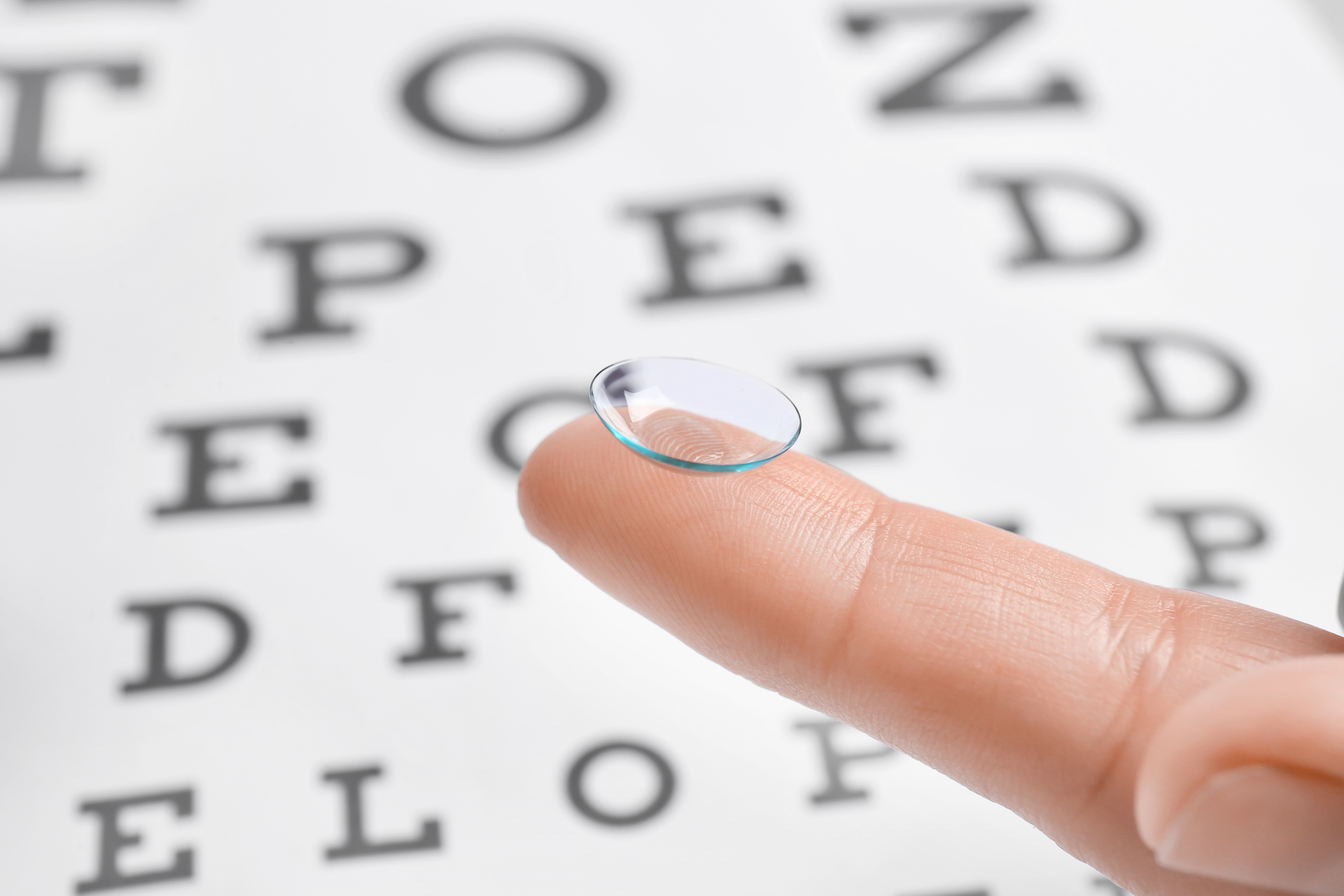
Clear vision is important when you wear contact lenses, but your prescription is only one part of successful contact lens wear. A lens can provide sharp vision and still become uncomfortable, move improperly, or affect the surface of the eye over time. That is why regular contact lens follow-ups look beyond the numbers in your prescription.
At Beacon Optometry in Carlsbad, we evaluate how your contacts fit, feel, and perform during everyday wear while also checking the health of your eyes.
Why Does Contact Lens Fit Matter?
Unlike glasses, contact lenses sit directly on the eye. Their size, shape, material, and movement can influence both comfort and visual stability.
A properly fitted lens should remain centered while moving appropriately when you blink. A lens that moves too much may cause fluctuating vision or irritation, while one that fits too tightly may not interact with the eye surface as intended.
Your eyes can also change over time, so a lens that worked well previously may eventually need to be reevaluated.
What Happens During a Contact Lens Follow-Up?
During your Carlsbad contact lens follow-up, we may check more than whether you can read the eye chart. The evaluation can include:
Visual clarity at the distances important to you
How the lenses center and move on your eyes
Comfort after several hours of wear
Corneal and surrounding eye surface health
Signs of dryness, redness, or irritation
Whether your current lens design and replacement schedule still fit your needs
Tell us how the contacts perform throughout your actual day. A lens that feels comfortable in the morning but becomes dry or blurry by late afternoon provides useful information.
Why Can Contact Lens Comfort Change?
Contact lens comfort can change even when your prescription remains stable. Dry eye, allergies, medications, increased screen use, and changes in the tear film can all affect how lenses feel.
Carlsbad patients who spend long hours working on computers may notice symptoms later in the day because people often blink less completely while concentrating on screens.
If your lenses have become less comfortable, switching brands without an evaluation may not address the underlying reason. Examining the eye surface can help determine whether the lens itself, dryness, or another factor is contributing.
Could You Need a Different Type of Lens?
Your visual needs can change as well. Astigmatism, presbyopia, dry eye concerns, or lifestyle changes may make another contact lens design worth considering.
Some patients may benefit from daily disposable contacts, toric lenses for astigmatism, multifocal lenses, or specialty contacts depending on their prescription and eye health.
A follow-up gives us an opportunity to determine whether your current lenses still make sense or whether a different material, design, or wearing schedule may offer a better fit.
Why Does Eye Health Matter Even When Contacts Feel Fine?
Comfort does not always tell us everything about the health of the cornea. Regular contact lens examinations allow us to look for changes that may not yet be causing noticeable symptoms.
Safe habits remain important between visits. Wash and completely dry your hands before handling contacts, follow the prescribed replacement schedule, and avoid exposing lenses to tap water. Daytime contacts should not be worn while sleeping unless they are specifically approved and prescribed for overnight wear.
Remove your lenses and seek prompt eye care if you develop significant pain, redness, discharge, strong light sensitivity, or a sudden change in vision.
If your contacts have become dry, blurry, or uncomfortable, or you are due for a follow-up, contact Beacon Optometry at 7720 El Camino Real, Suite G, Carlsbad, CA 92009 by calling (760) 278-8068 to schedule a contact lens evaluation.


MAP
Powered by: 
